
Most newsletters die quietly. Someone launches one with excitement, sends a handful of issues, watches open rates slide, and eventually stops without ever really diagnosing why. A strong email newsletter strategy solves this by giving every issue a clear purpose, useful content, and a reason for subscribers to keep opening. Almost always, the problem isn’t the email platform or the send time — it’s that the content itself gives subscribers no reason to keep opening.
A newsletter that builds an audience treats each issue like a mini product people opt into, not a sales channel dressed up as an update. It’s one piece of a bigger picture — see our Content Marketing & Social Media: The Complete Guide for how it fits with the rest of your content strategy.
Build an Email Newsletter Strategy With a Clear Purpose
Before you write a single word, decide what your newsletter is actually for. Is it curating the best resources in your niche so subscribers don’t have to search themselves? Is it your personal take on industry news? Is it a behind-the-scenes look at how you build your product? These are useful newsletter content ideas because each gives subscribers a clear reason to keep coming back. Newsletters that try to be everything — company updates, promotions, curated links, and personal essays all at once — tend to satisfy no one.
Structure Every Issue the Same Way
Consistency in format builds trust faster than almost anything else. When readers know roughly what to expect — a quick take up top, three curated resources, one actionable tip — they’re more likely to skim the whole thing instead of bouncing after the first line. Pick a repeatable structure and stick with it for at least 10-15 issues before changing it. This repeatable approach is one of the simplest newsletter writing tips for building consistency without having to reinvent every issue.
Write Subject Lines Like You Mean It
The subject line’s only job is to earn the open — it doesn’t need to summarize the whole email. Specific, curiosity-driven, or benefit-led subject lines consistently beat vague ones. As part of your email newsletter strategy, test different subject-line approaches to learn what your audience responds to best. “3 tools I stopped paying for this month” will outperform “Monthly Newsletter #14” nearly every time.
- Test specificity over cleverness — concrete beats vague
- Keep subject lines concise and put the most important words near the beginning, especially for mobile readers.
- Avoid spam-trigger words like “free,” “guarantee,” and excessive punctuation
- Preview text is prime real estate too — don’t waste it on “view in browser”
Balance Value and Promotion
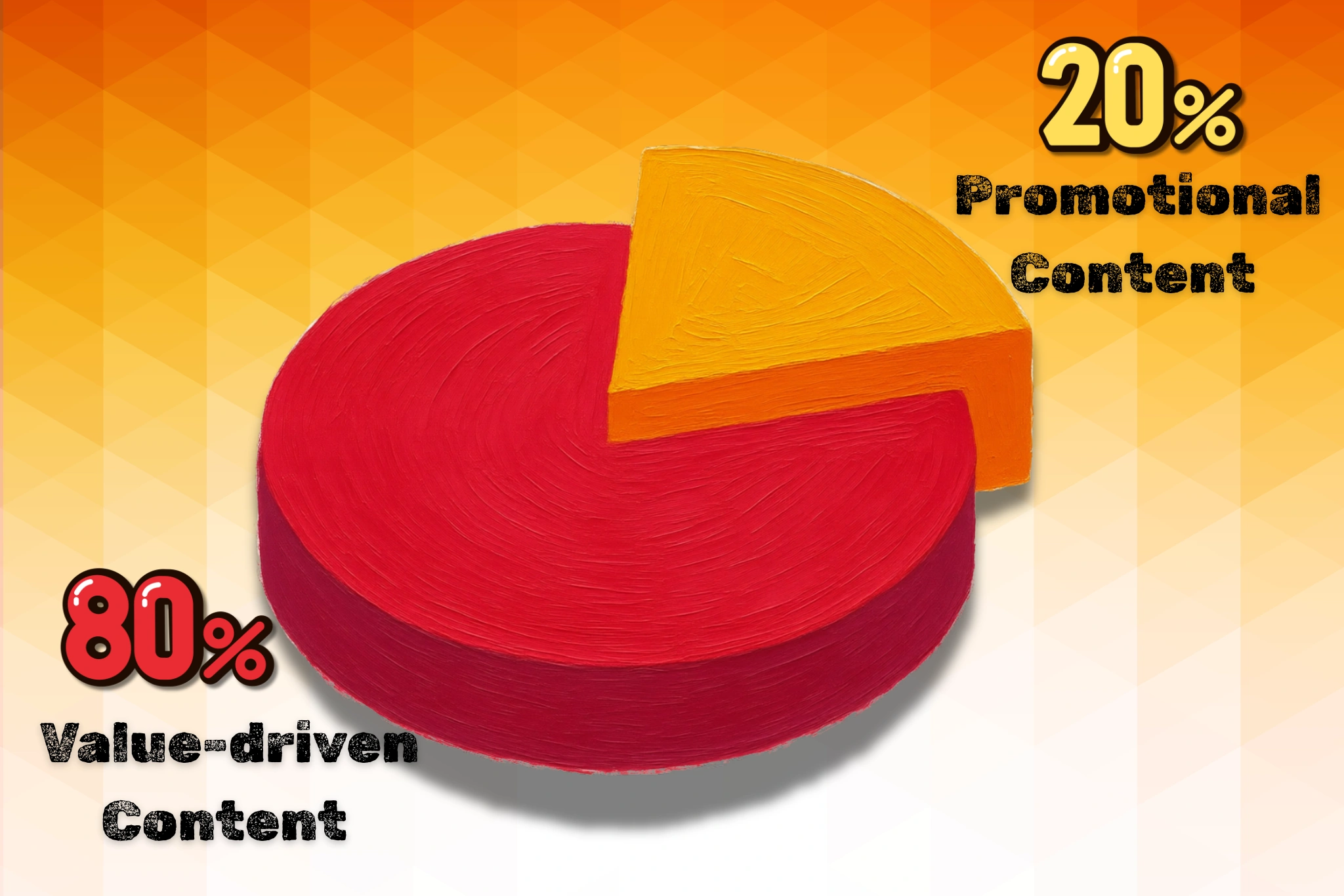
A useful rule of thumb is the 80/20 split: roughly 80% of your content should be genuinely useful on its own, with no ask attached, and 20% can promote your product, event, or offer. Newsletters that flip this ratio train subscribers to skim past the pitch every time, which eventually trains them to skim past the whole email. If you’re not sure your ratio is right, ask yourself honestly whether the issue would still be worth opening if the promotional section were deleted entirely — if the answer is no, the balance needs adjusting. The goal isn’t to eliminate promotion but to make the newsletter valuable even when readers aren’t ready to buy.
Open rate alone is an increasingly shaky way to judge any of this — Litmus’s ongoing State of Email research has tracked how privacy features have made raw open data unreliable, pushing more senders toward clicks and revenue as the metrics that actually matter.
Design for Skimmers, Not Readers
Most subscribers skim before they commit to reading. Short paragraphs, clear subheadings, and bold key phrases help someone decide in three seconds whether this issue is worth their full attention. Long, unbroken blocks of text get abandoned fast, even from an engaged audience.
Grow the List With the Content Itself
The best newsletter growth engine is the newsletter itself — content good enough that current subscribers forward it or share a screenshot. When subscribers consistently find value in your emails, your content can become a natural way to grow your email list. Add a simple, low-friction share prompt at the end of each issue, and consider a referral incentive once you have a baseline of engaged readers to activate.
Segment Your Email Newsletter Audience
A newsletter that treats every subscriber identically eventually hits a ceiling on relevance. Once your list is large enough to justify it, basic segmentation — by signup source, engagement level, or stated interest — lets you tailor content without multiplying your workload. Even something as simple as a re-engagement sequence for subscribers who haven’t opened in three months can meaningfully improve your overall deliverability and open rates, since inbox providers weigh engagement heavily when deciding whether your email lands in the inbox or the spam folder.
A Simple Email Newsletter Strategy to Follow
Start with one clear audience and one primary newsletter promise. Choose a repeatable format, plan several issues around useful topics, and write subject lines that create a clear reason to open. Track clicks, replies, unsubscribes, and conversions alongside opens, then use those insights to improve future issues. As your audience grows, test segmentation and referral tactics to expand your reach without sacrificing relevance.
Play the Long Game With Your Newsletter Strategy
Newsletters compound slowly. The habit of showing up consistently, in a recognizable format, with content worth ten minutes of someone’s attention, is what turns a list of email addresses into an actual audience. Give any format at least a quarter before deciding whether it’s working.
Frequently Asked Questions About Email Newsletter Strategy
What should an email newsletter include?
An effective newsletter should include useful content that matches the audience’s interests, a clear subject line, easy-to-scan formatting, and one primary call to action. The exact mix depends on the newsletter’s purpose and audience.
How often should you send a newsletter?
There is no universal ideal frequency. Start with a schedule you can maintain consistently, whether that’s weekly, biweekly, or monthly. Consistency is generally more important than sending as often as possible.
How can I grow my email list?
Create useful newsletter content that subscribers want to share, add clear signup opportunities across your website, and give people a compelling reason to subscribe. Referral prompts and lead magnets can also help accelerate list growth.
What metrics should I track for a newsletter?
Track clicks, conversions, unsubscribes, replies, and revenue alongside opens. Because privacy features can affect open-rate accuracy, looking at several engagement and business metrics gives you a more useful picture of newsletter performance.