A brand identity is often reduced to “the logo,” but the logo is just the most visible artifact of something much bigger: a set of decisions about who you are, who you’re for, and how that shows up consistently everywhere someone encounters you. Skip the foundational decisions and jump straight to design, and you end up with a logo that looks fine but doesn’t actually stand for anything. This brand identity guide is one piece of the bigger picture — see our Branding & Design guide for the full framework.
Step 1: Nail Down Your Positioning First
Before any visual work starts, answer three questions: who exactly is this for, what do you do differently than the alternatives, and why should that difference matter to your audience. If you can’t answer these clearly, no amount of design polish will make the brand feel coherent — it’ll just be a nice-looking wrapper around confusion.
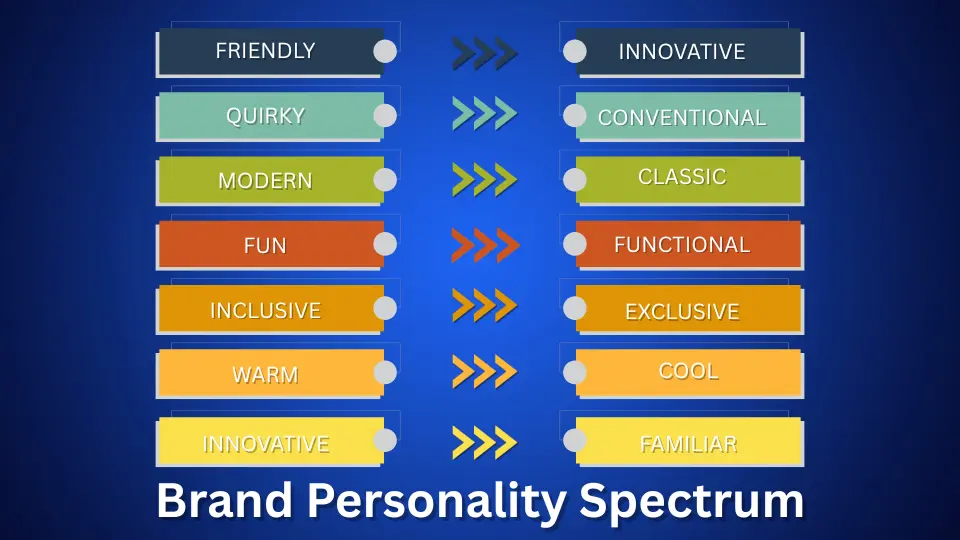
Step 2: Define Your Brand Personality
Personality is the bridge between strategy and design. Is the brand more like a trusted expert or an energetic challenger? Formal or conversational? Playful or serious? Picking 3-4 personality traits gives your designer (or yourself) a filter for every visual and verbal decision that follows — including which of two logo directions actually fits, when both look “good.”
Step 3: Build the Core Visual System
- Logo (primary mark, plus a simplified version for small sizes)
- Color palette (1-2 primary colors, 2-3 supporting colors)
- Typography (one for headlines, one for body text)
- Imagery style (photography treatment, illustration style, or both)
Resist the temptation to design these in isolation. A color palette that looks great on a moodboard can fall apart once it hits a real website, product packaging, and a social media grid. Test your core elements across at least two or three real-world applications before locking anything in.
Step 4: Write Down Your Brand Voice
Visual identity gets most of the attention, but inconsistent writing undermines a brand just as fast as an off-brand color choice. Document a few concrete rules: words you use, words you avoid, how formal your grammar is, whether you use humor and where the line sits. Give writers examples of on-brand and off-brand copy side by side — abstract adjectives like “friendly” are hard to apply consistently without them.
Step 5: Package It Into Usable Guidelines
All of this needs to live somewhere accessible, not scattered across old design files. A simple brand guidelines document — even a short one — saves you from constant one-off decisions later and keeps the brand consistent as more people (freelancers, new hires, agencies) start creating content on your behalf.
This isn’t just a design nicety — Marq’s research on brand consistency found that companies presenting their brand consistently across channels reported revenue gains in the 10-20% range compared to those that didn’t.
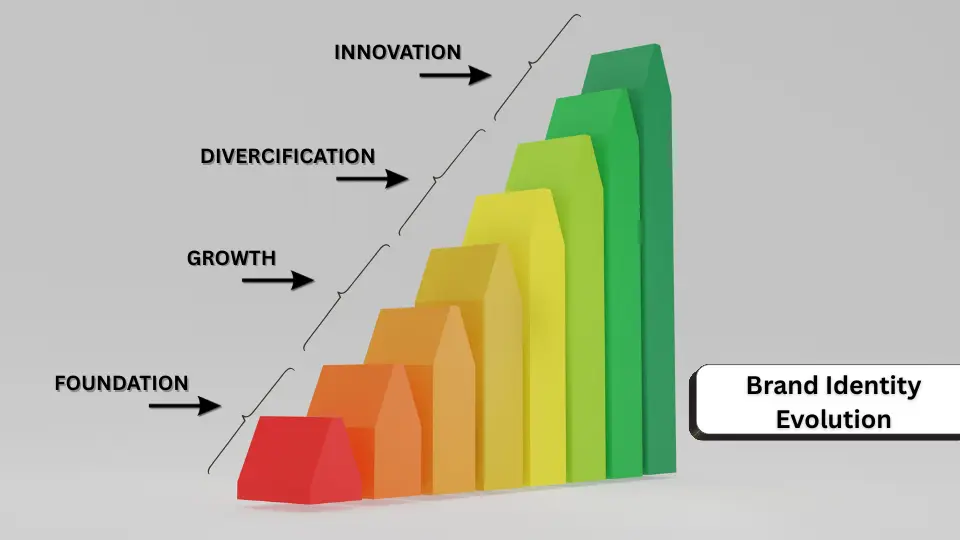
Step 6: Expect It to Evolve
A brand identity built for a five-person startup won’t necessarily fit the same company at fifty people. That’s normal. The goal isn’t to build something permanent on day one — it’s to build something coherent enough to grow with you, and specific enough to revisit and refine as the business matures.
Common Pitfalls When Building an Identity From Scratch
Founders often make two opposite mistakes. Some skip strategy entirely and pick visuals based purely on personal taste, resulting in a brand that looks nice but doesn’t differentiate from competitors in any meaningful way. Others overthink the strategy phase so long that nothing ever gets designed, chasing a perfect positioning statement before shipping anything. The healthiest approach treats the identity as a strong first version worth committing to now, refined later with real feedback, rather than a puzzle to be perfectly solved before launch.
Start With Substance, Not the Logo
The strongest brand identities aren’t the ones with the trendiest visuals — they’re the ones where every element, from the color palette to the tone of a customer email, clearly comes from the same set of decisions about who the brand is. Get the positioning and personality right first, and the visual work becomes dramatically easier.