
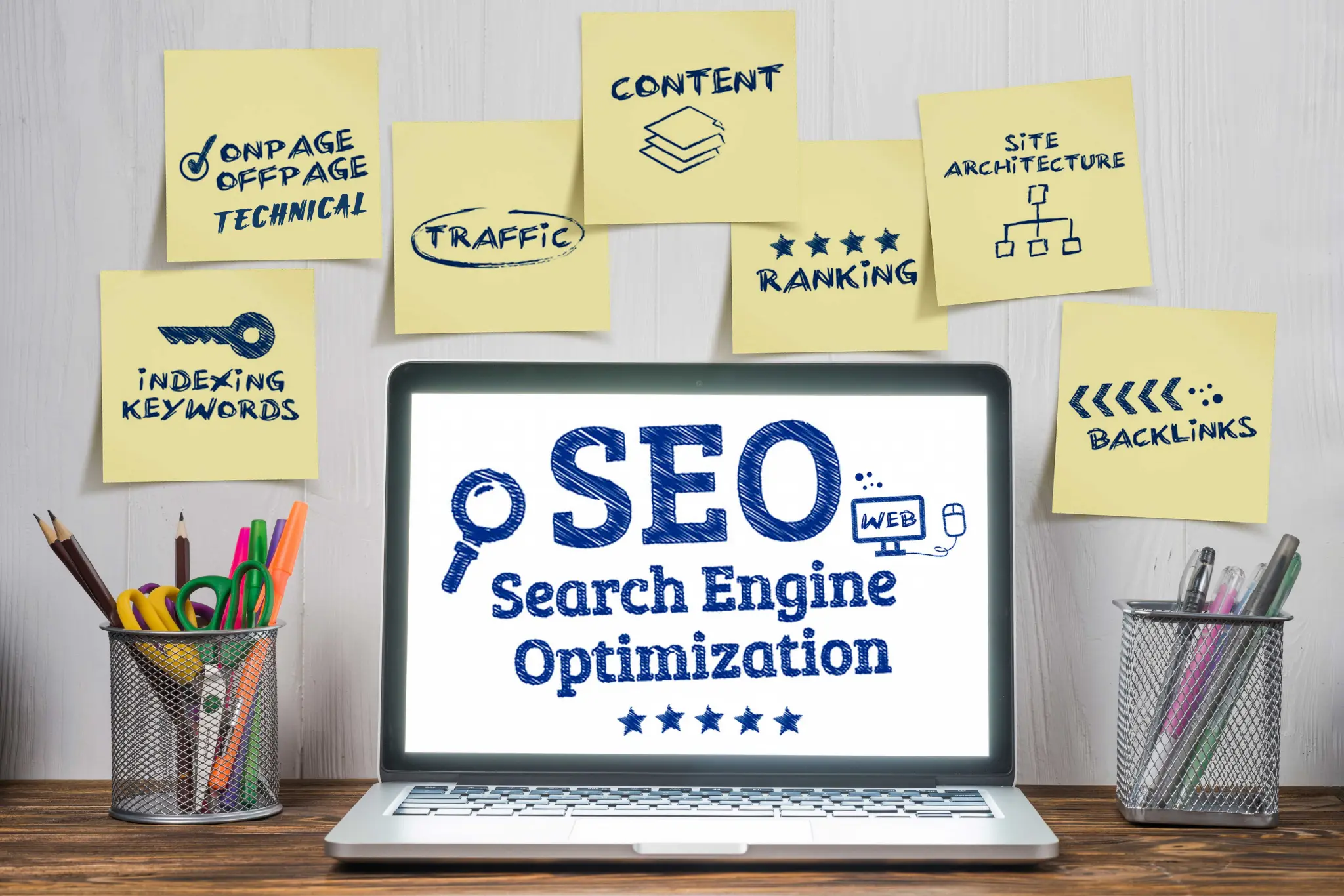
This SEO guide 2026 explains how modern search optimization actually works — from technical health and content strategy to links, AI-generated search results and measuring SEO’s impact on business.
If you’re wondering how SEO works in 2026, the answer goes beyond traditional rankings.
AI-generated summaries now answer plenty of searches before anyone clicks through, page speed has gone from a nice-to-have to table stakes, and “just publish more” stopped being a strategy a while back.
What hasn’t changed is the basic job: make it easy for search engines to find your site, understand it, and trust it enough to put it in front of real people.
Think of this SEO guide for 2026 as the map, not the whole territory. It’ll show you how the pieces connect — technical health, content and keywords, links, and measurement — and point you to a deeper guide on each one when you’re ready to go further.
Technical SEO: Build the Right Foundation
Technical SEO is the part nobody sees but everything else depends on. If search engines can’t crawl your site properly, it doesn’t matter how good your content is — it’s not showing up. That’s why it’s worth starting here rather than with content or links.
A good technical SEO audit catches most of this in one pass: crawl errors, broken links, duplicate content, pages accidentally blocked from indexing. Running one every quarter or so keeps small issues from turning into a mystery traffic drop six months later. Alongside that sits site speed — Google’s Core Web Vitals measure how fast a page loads, how responsive it feels, and whether things jump around while loading, and all three affect both rankings and whether visitors actually stick around.
Crawl errors and indexing problems deserve their own dedicated look too, since they’re often invisible until someone actually checks Search Console, and they’re one of the more common reasons a page that used to rank quietly disappears with no obvious explanation. It also helps to understand the difference between on-page and off-page SEO early on. On-page is everything within your direct control — content, structure, internal links, titles. Off-page is mostly backlinks and outside signals you can’t directly control, only earn. They solve different problems, and knowing which one is actually holding a page back saves a lot of wasted effort chasing the wrong fix.
Content and Keywords: Give Search Engines a Reason to Rank You
Technical SEO gets you in the door. Content is what actually earns the ranking — and what convinces a real person to click through and stay once they land on the page.
It starts with keyword research, which works best moving from broad seed terms down to something specific enough to actually brief a writer on. Volume matters less than intent — a keyword that gets a lot of searches but doesn’t match what you’re actually offering will rank fine and convert terribly, which is a frustrating combination to explain to a client or a boss. Once the content exists, the title tag and meta description decide whether anyone actually clicks it; a page can rank second and still lose the click to the result above it if the title doesn’t give someone a clear reason to pick it over the alternative.
Worth knowing too: a lot of SEO advice still circulating is simply outdated — old rules about keyword density, exact-match domains, or minimum content length that stopped mattering years ago but never stopped getting repeated in forum threads and outdated blog posts. It’s worth a periodic gut-check on what’s actually still true versus what just sounds authoritative. And increasingly, a meaningful share of searches get answered directly by an AI-generated overview before anyone scrolls down to organic results at all, which is quietly changing what “ranking well” even means for certain kinds of queries — informational ones especially. That shift is worth understanding before building an entire content plan around raw click volume as the only measure of success.

Links Still Matter — Just Not the Way They Used To
Backlinks remain one of the strongest trust signals search engines use to evaluate a site. What’s changed is which tactics for earning them still actually work.
Start with what’s already inside your control: internal linking doesn’t require outreach or luck, just a bit of discipline about linking related pages to each other and to the handful of pages you most want to rank. It’s free, it’s available today, and it’s one of the most consistently underused levers on most sites.
External links are a different game entirely. Directory submissions and reciprocal link swaps mostly stopped moving the needle years ago, and can occasionally do more harm than good if they look manipulative to search engines. What’s replaced them is earning coverage through genuinely useful, newsworthy content — digital PR, in other words — which has become one of the more reliable ways to pick up links from sites that actually carry real authority, rather than begging for a favor from a stranger. And if traffic ever drops sharply with no obvious technical explanation, it’s worth checking whether an algorithm update or a manual penalty is behind it. The right fix depends entirely on the actual cause, and recovery is rarely as fast as the drop was — patience matters here as much as the technical fix itself.
Local, E-commerce and Specialized SEO Strategies
A few situations call for a genuinely different playbook than the general rules above. Local businesses live and die by Google Business Profile optimization, local citations, and review management far more than by raw backlink count — it’s close to its own discipline, separate from national SEO in most of the ways that matter day to day.
E-commerce sites face their own particular mess: category and product pages often competing with each other for the same keywords, faceted navigation spinning off thousands of near-duplicate URLs that waste crawl budget, and out-of-stock products turning into dead ends if they’re not handled with any real care. Both of these situations reward a specialist’s attention rather than a generic checklist applied uniformly.
And whatever you’re optimizing for, at some point someone in leadership is going to ask what any of this is actually worth in dollars. Rankings alone don’t answer that question — translating SEO work into leads, revenue, or cost-per-acquisition compared to other channels is a separate skill from the technical and content work itself, and it’s worth building that reporting habit early rather than scrambling for numbers the first time someone finally asks.

Your SEO Guide 2026: Where to Start
An effective SEO strategy in 2026 works best as a system, not a checklist you run once and forget about. Technical health gets your content found, content and keyword work make it worth finding, links signal that other people trust it, and measurement keeps the whole effort honest about what’s actually paying off. A technically perfect site with thin content won’t rank, and neither will genuinely great content sitting on a site search engines can’t properly crawl — these pieces really do depend on each other more than any single tactic does on its own.
If you’re not sure where to start, start with whatever gap looks biggest right now. Never run a technical audit before? Start there — it’s usually the fastest way to find low-hanging fruit. Ranking reasonably well already but nobody’s actually converting? Look at intent match before writing more content. Publishing consistently but nothing seems to earn a link? Digital PR is probably worth exploring before another blog post goes out. This page is the overview; the deeper guides linked throughout it are where the real, practical work actually happens.