
Paid advertising can feel like a solved problem right up until the budget is gone and nobody can explain what happened to it. A strong paid advertising guide starts with the fundamentals: choosing the right platform, building campaigns around clear goals, sending traffic to a relevant landing page, and measuring what happens after the click.
The teams that get consistent results usually aren’t smarter about any single tactic. They’re more disciplined about sequencing: which platform to use first, how the campaign is structured, where the traffic lands, and what the numbers say after the campaign runs.
This paid advertising guide covers that sequence end to end, from platform selection and campaign structure to landing pages, retargeting, ROAS, CAC, testing, and growth. Each section also points to a deeper tactical guide when you’re ready to go further.
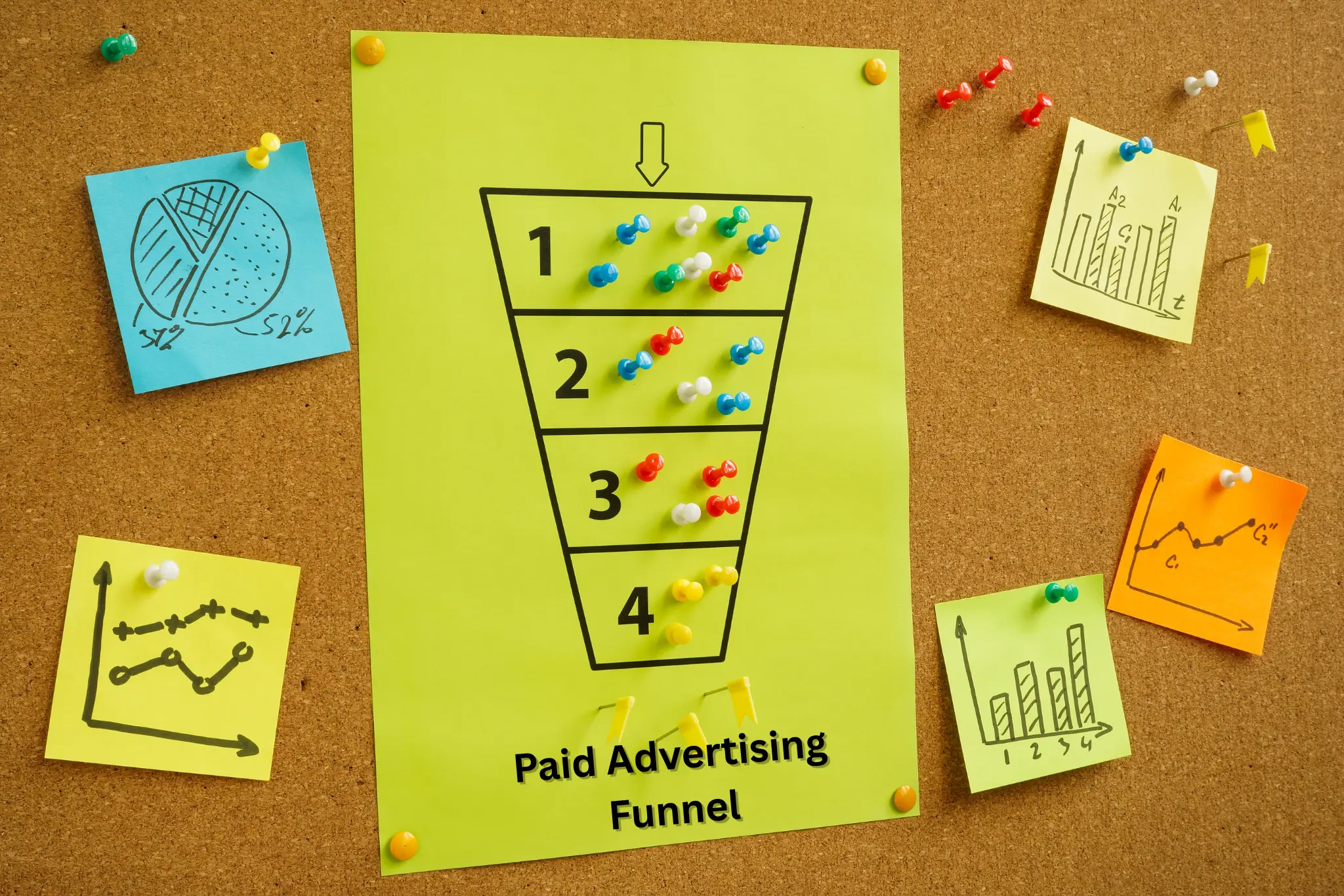
The Paid Advertising Process at a Glance
1. Define the goal — Decide whether the campaign is designed to generate leads, sales, traffic, awareness, or another measurable outcome.
2. Choose the platform — Match search, social, video, or other channels to audience intent and campaign objectives.
3. Set the campaign structure — Organize campaigns, audiences, ad groups, keywords, creative, and conversion goals logically.
4. Build the landing experience — Make sure the page matches the ad promise and gives visitors a clear next step.
5. Launch and test — Test creative, messaging, audiences, offers, and placements systematically.
6. Measure performance — Track ROAS, CAC, CPA, conversion rate, and other relevant metrics.
7. Optimize and scale — Move budget toward what works while fixing weak points in the funnel.
How to Choose the Right Paid Advertising Platform
Before setting a budget, define what you want the campaign to accomplish. Search-led platforms can be useful when people are already looking for a solution, while social platforms can help create demand, introduce an offer, and build awareness. Your objective should determine the platform, campaign type, audience, creative, and conversion event—not the other way around.
The Google Ads vs Meta Ads question comes up before almost every other paid decision, and it matters more than most people expect — Google captures demand that already exists, Meta has to create it from a standing start, and starting with the wrong one burns budget before the offer itself ever gets a fair test. Whichever platform wins that call, campaign structure decides a lot of what happens next; a Google Ads account with a messy, overlapping campaign structure will bleed budget on internal competition before it ever reaches a competitor.
On the Meta side, targeting has genuinely changed since iOS 14 tightened tracking — broader, more creative-led targeting tends to outperform the narrow audience stacking that used to work. For newer and younger audiences, short-form video advertising can be particularly effective when the creative feels native to the platform rather than like a traditional advertisement. Instagram Reels and YouTube Shorts are worth considering for businesses that want to combine paid reach with engaging, creator-style content.
PPC Strategy in 2026: What Has Changed?
A modern PPC strategy is increasingly focused on conversion quality rather than simply generating the highest possible number of clicks. Automation, broader audience signals, creative testing, and stronger conversion data can influence how platforms optimize campaigns. That makes accurate tracking and a clear conversion goal more important than ever.
For businesses evaluating PPC in 2026, the goal should be to give the platform enough reliable data to optimize while maintaining control over the offer, messaging, budget, and customer experience.
Landing Pages and Retargeting: Where Paid Traffic Converts
It’s easy to obsess over ad copy and forget that landing page optimization is where a lot of paid budget quietly goes to waste. A page that doesn’t match the ad’s promise, loads slowly, or buries the call to action loses conversions no targeting fix can recover, no matter how precisely the audience was defined upstream.
Retargeting campaigns deserve a structure of their own too — someone who already visited your site needs a different message than someone seeing your brand cold, and treating both audiences identically wastes the advantage retargeting is supposed to offer. None of this matters without disciplined testing, and A/B testing ad creative works best one variable at a time, run long enough to actually mean something, rather than five changes at once that make the result impossible to interpret — and impossible to learn anything useful from for the next round of tests.
Measure Paid Advertising: ROAS, CAC and Conversion Rate
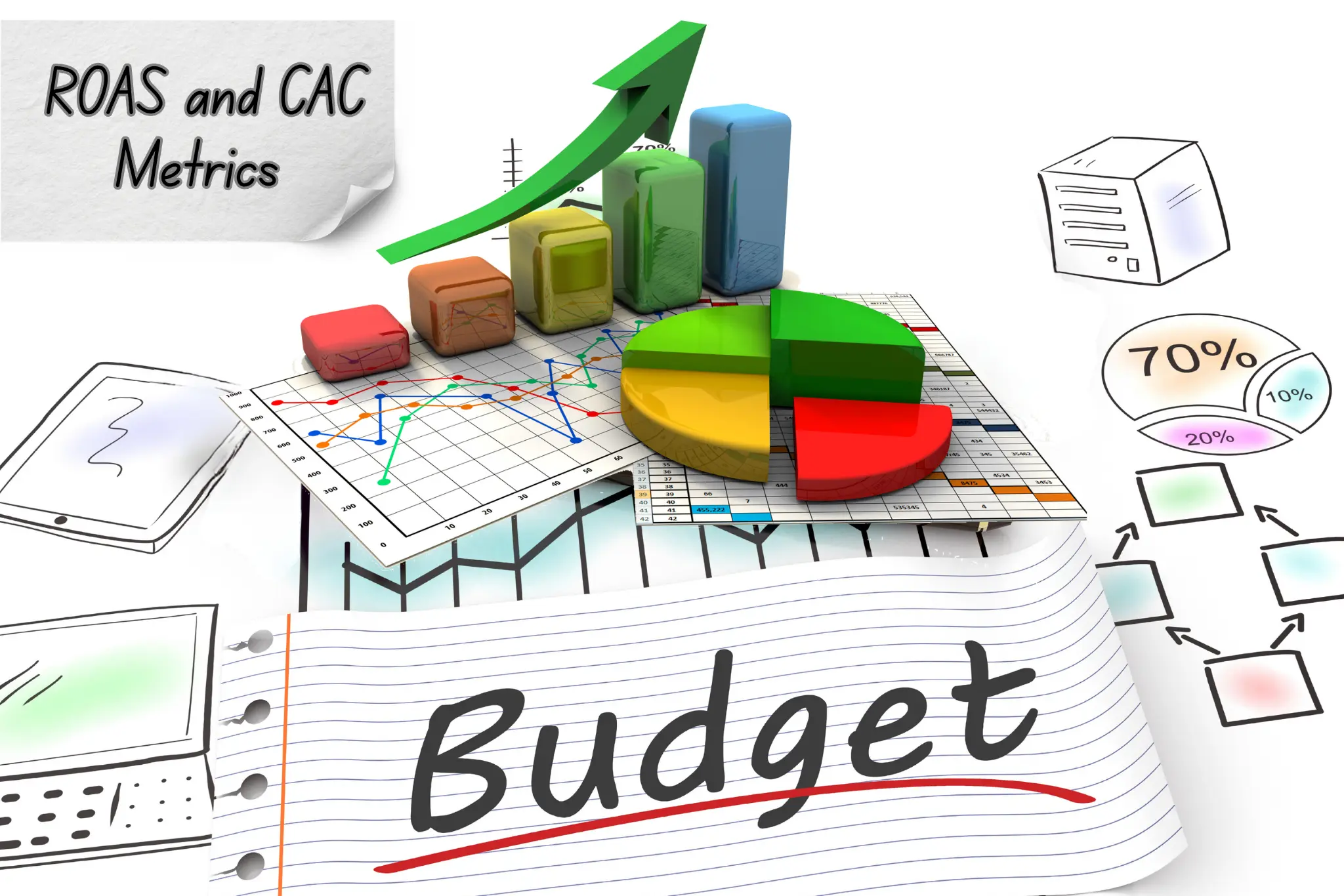
ROAS gets thrown around constantly, but improving it usually comes down to a handful of levers — better targeting, stronger creative, or a landing page that converts more of the traffic that’s already arriving. It’s worth knowing which lever is actually broken before assuming the answer is simply more budget, since more spend on a broken funnel usually just produces a bigger loss faster.
Key Paid Advertising Metrics to Track
A strong paid ads strategy should track more than clicks and impressions. The most useful metrics depend on the campaign goal, but several numbers help reveal where the funnel is working or breaking.
- ROAS: Revenue generated compared with advertising spend.
- CAC: The total cost required to acquire a customer.
- CPA: The cost of generating a specific conversion or action.
- CTR: The percentage of people who click after seeing an ad.
- Conversion rate: The percentage of visitors who complete the desired action.
- CPC: The average amount paid for each click.
Looking at these metrics together is more useful than optimizing one number in isolation. A campaign can have a low CPC but poor conversion rate, for example, while another campaign may generate fewer clicks but produce much stronger revenue.
Before optimizing campaigns, make sure conversion tracking is set up correctly so you can connect ad interactions to meaningful business outcomes. Google Ads’ campaign guidance covers campaign goals, budgets, targeting, and conversion measurement.
Customer acquisition cost tells a related but different story, and reducing it often has less to do with the ad platform and more to do with the offer, the funnel, and the price point behind it — fixing the ad account rarely fixes a fundamentally weak offer. Budget allocation across channels should follow those numbers, not gut feeling or whichever platform got the most attention last quarter — the channel with the best actual return deserves the incremental dollar, plain and simple.
Growth Marketing Beyond Paid Ads
A strong growth marketing strategy goes beyond the ad account. Programmatic advertising opens up scale that manual platform buying can’t match, but it’s usually not the right starting point for a smaller budget still learning what converts — it rewards data volume more than any other channel, and without enough conversion history behind it the algorithm has nothing useful to optimize against. Growth hacking tactics, on the other hand, are often exactly the right starting point for an early-stage company without much budget at all, since they lean on creativity and speed rather than ad spend — cheap experiments run fast tend to teach more per dollar than a scaled campaign run too early.
Wherever the growth comes from, the same discipline applies: know which channel is actually paying for itself, and be honest when one isn’t.
Build a Paid Advertising Strategy That Scales
Paid advertising rarely fails because of one bad ad. It usually fails because the platform choice, campaign structure, landing page, and measurement aren’t pulling in the same direction.
A strong paid advertising strategy follows a clear sequence: choose the right platform, build campaigns around a specific objective, send traffic to a relevant landing page, test systematically, and measure the numbers that actually matter.
Once that foundation is in place, you can scale what works, reduce wasted spend, and connect paid acquisition with a broader growth marketing strategy. Use the tactical guides throughout this pillar page to go deeper into each part of the process.
Frequently Asked Questions About Paid Advertising
What is paid advertising?
Paid advertising is a marketing method where businesses pay platforms to display ads to selected audiences, with the goal of generating awareness, traffic, leads, sales, or other measurable actions.
Which paid advertising platform is best for beginners?
There is no single best platform for every business. Google Ads can be useful when people are actively searching for a product or service, while Meta and TikTok can help businesses reach audiences through social and visual content.
How much should a business spend on paid advertising?
The right budget depends on the offer, customer acquisition cost, conversion rate, margins, and campaign goals. Start with a budget that allows enough data to be collected without putting the business at unnecessary financial risk.
What is ROAS in paid advertising?
ROAS, or return on ad spend, measures how much revenue is generated for every unit of advertising spend. It is useful for evaluating advertising efficiency, although it should be considered alongside profit margins and customer acquisition cost.
What is the difference between PPC and paid advertising?
PPC, or pay-per-click advertising, is one form of paid advertising where advertisers generally pay when someone clicks an ad. Paid advertising is a broader category that can include PPC, social advertising, display advertising, video advertising, and other paid formats.