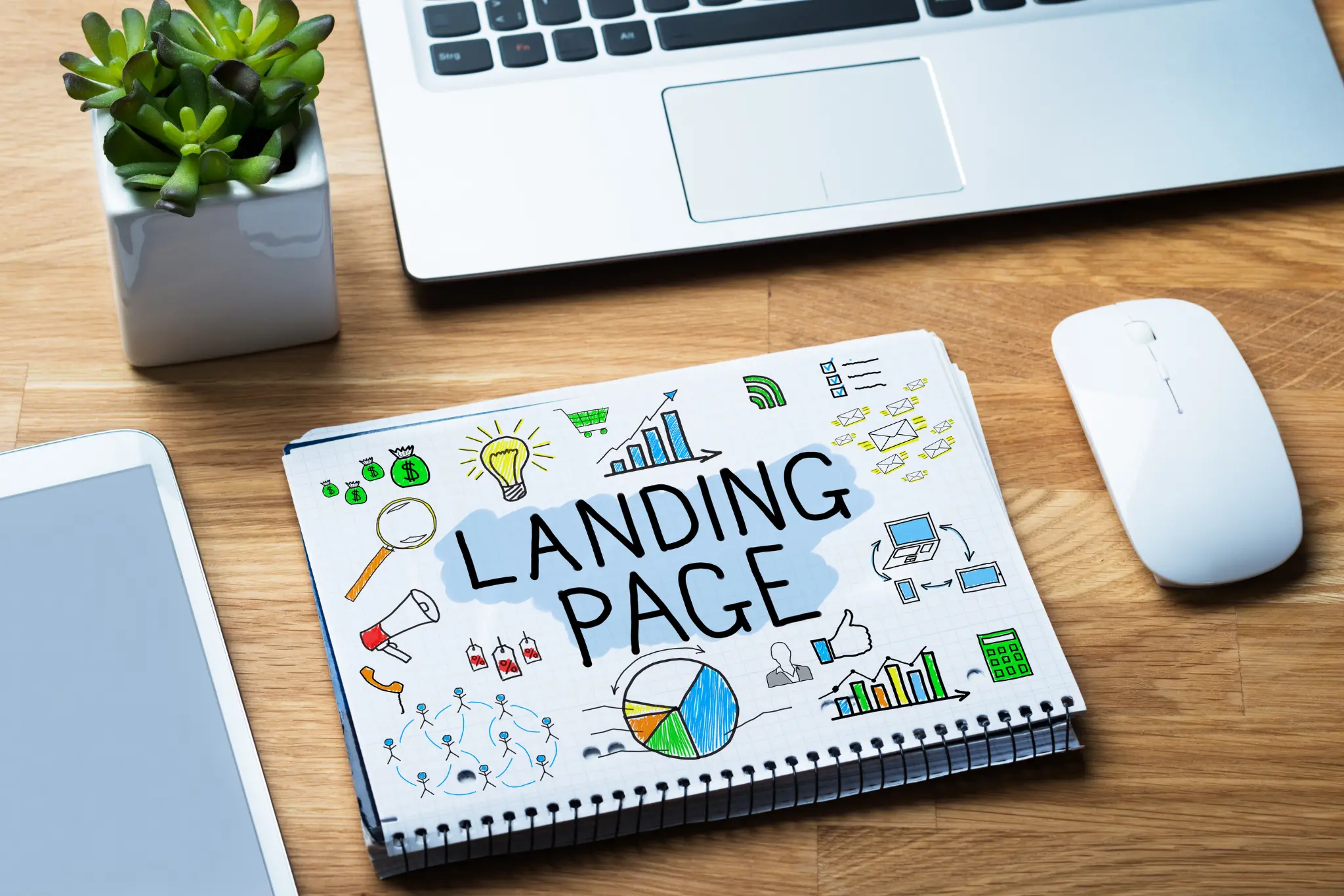
It’s easy to blame the ad when a campaign underperforms, but in many accounts the ads are doing their job — bringing qualified clicks — and the landing page is where the money actually gets lost. Paid traffic is expensive per click, so every point of friction on a paid traffic landing page can have an outsized effect on your return. This guide to landing page optimization PPC covers the key changes that can turn more paid clicks into conversions. It pairs with our Paid Advertising & Growth guide for the full-funnel view.
Landing Page Optimization PPC Starts With Message Match
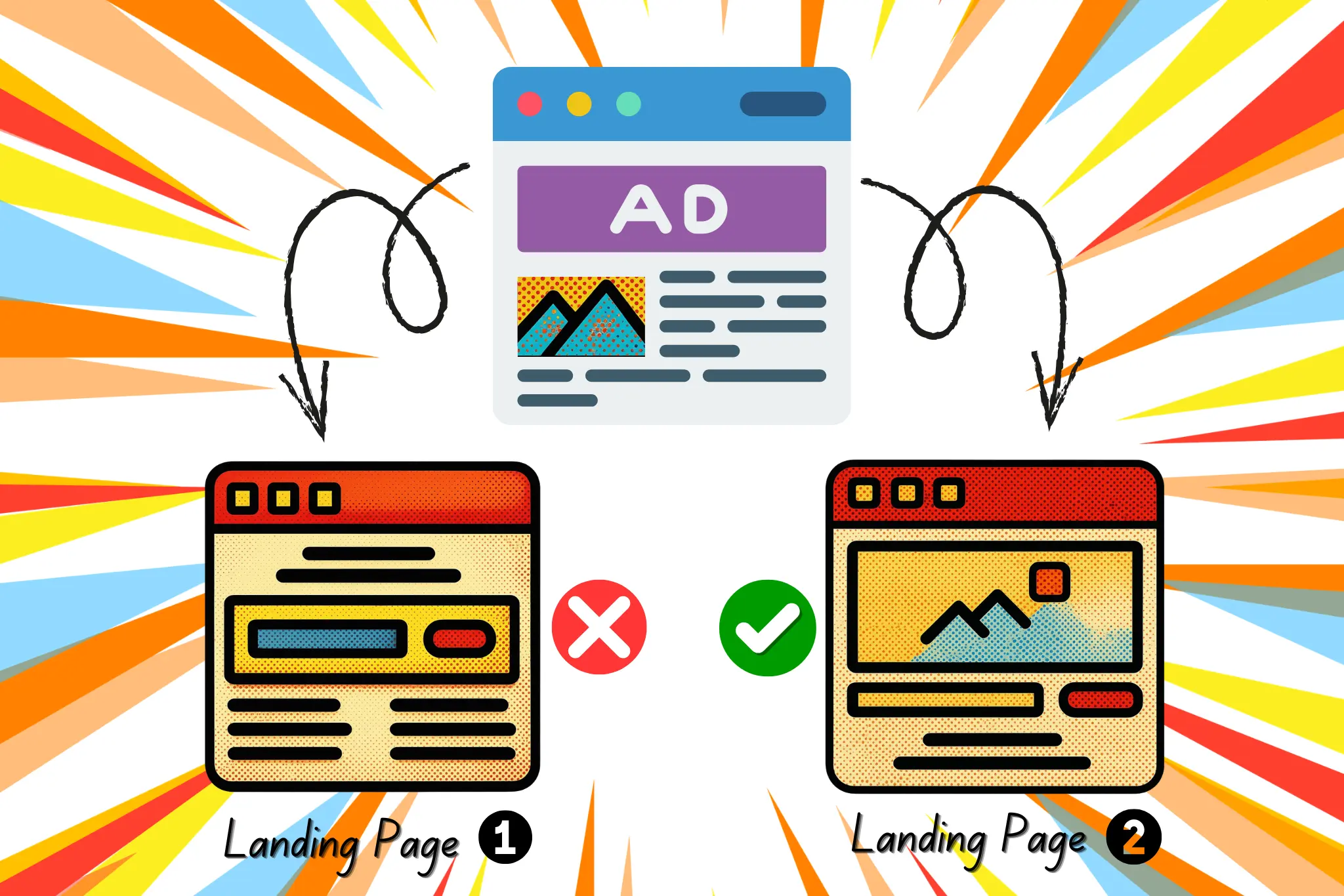
The single biggest conversion killer in paid traffic is a mismatch between the ad and the landing page. If your ad promises “50% off your first order” and the landing page headline talks about your company mission instead, visitors bounce because the page doesn’t confirm they’re in the right place. The headline on your landing page should echo the promise made in the ad within the first three seconds of loading.
Cut Navigation and Distractions
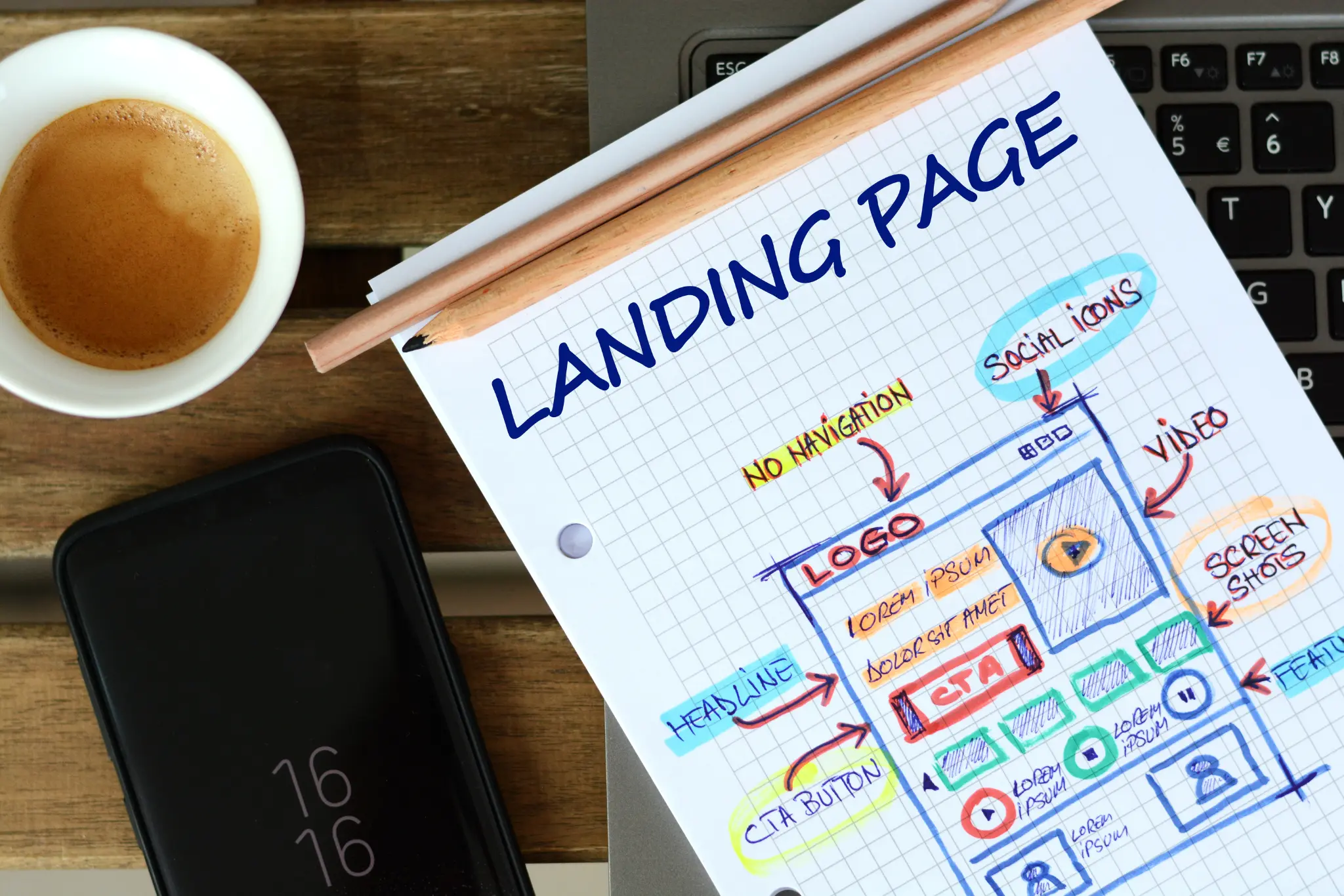
A standard site page is built to help visitors explore. A landing page is built to do exactly one thing. Remove the main navigation menu, footer links, and any exits that don’t lead toward the conversion action. Every link you leave on the page is a chance for the visitor to leave before converting — and you already paid for that click. These are some of the most important PPC landing page best practices because they keep visitors focused on the action your campaign is designed to generate.
Structure the Page Around One Conversion Goal
- One clear headline that matches ad intent
- A single, unmistakable call-to-action, repeated at logical scroll points
- Enough proof (testimonials, logos, stats) to answer “why should I trust this”
- A short form or simple next step — remove any field you don’t strictly need
A simpler form can make a meaningful difference to landing page conversion, particularly when the offer doesn’t require extensive information upfront. Before launching, look at each field and ask whether you truly need it now, or whether it can be collected later in the relationship instead.
It helps to know what you’re being measured against: Unbounce’s landing page conversion benchmark analysis puts the median conversion rate across industries at roughly 6.6%, though the range varies a lot by sector and offer, so treat it as a general reference point rather than a hard target.
Match the Page to the Funnel Stage
A retargeting ad aimed at people who already visited your site needs a different landing page than a cold prospecting ad aimed at people hearing about you for the first time. Cold traffic usually needs more context and trust-building before asking for a conversion; warm traffic already has that context and can be sent to a more direct, action-focused page. Matching the landing page to the audience intent can help improve ad conversion rate, because visitors encounter information that is relevant to the reason they clicked. If you’re deciding which paid channel to start with, see our Google Ads vs Meta Ads guide.
Test Deliberately, Not Randomly
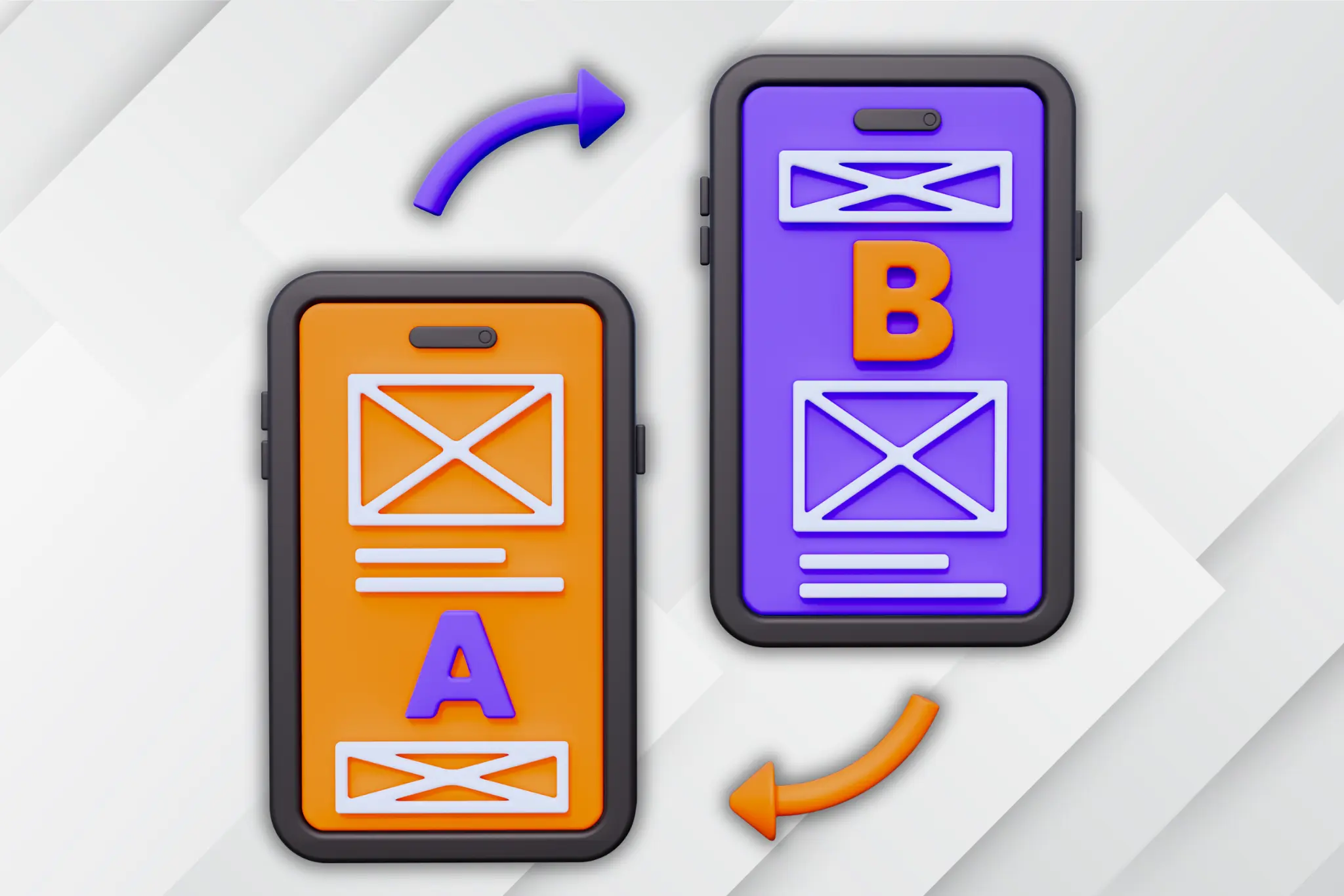
Don’t run five different variables at once and hope to learn something. Test one meaningful change at a time — headline, hero image, CTA copy, form length — and let it run until you have enough traffic for a statistically meaningful result. This approach makes it easier to identify which change actually affects your landing page conversion rather than simply producing a different result. Small paid budgets especially can’t afford to split traffic across too many variants at once; you’ll never reach significance on any of them. If your traffic volume is genuinely too low for reliable A/B testing, prioritize qualitative feedback instead — session recordings and a handful of real user tests will often surface bigger, more obvious problems than a low-powered split test ever could.
Don't Forget Post-Click Trust Signals
Paid traffic is often meeting your brand for the first time, so trust signals that a returning customer wouldn’t need — security badges, clear return policies, recognizable payment logos, real customer photos rather than stock imagery — carry more weight than they might on a page primarily visited by warm, familiar traffic. This matters even more for higher-priced offers, where visitors have more reason to hesitate before handing over payment details to a brand they just discovered.
Speed Is Part of the Page
A beautifully designed landing page that takes six seconds to load will still lose paid traffic before anyone sees the design. Compress images, minimize third-party scripts, and test load time on mobile specifically, since a large share of paid traffic — especially from Meta — arrives on a phone. Optimization isn’t finished until the page loads fast on the devices your actual traffic is using.
Landing Page Optimization PPC Checklist
Before sending paid traffic to a landing page, check the essentials:
- Does the headline match the ad promise?
- Is there one clear conversion goal?
- Is the CTA easy to find?
- Have unnecessary navigation and distractions been removed?
- Are trust signals visible?
- Is the form as short as possible?
- Does the page work well on mobile?
- Have you tested the most important conversion elements?
- Can the page load quickly for paid visitors?
A strong landing page doesn’t need to be complicated. It needs to make the next step obvious, relevant, and easy.
The Bottom Line
Paid traffic only gets visitors to the door. Your landing page determines how effectively those clicks turn into leads, sales, or other valuable actions. Focus on message match, remove distractions, build trust, test deliberately, and make speed a priority. Done well, landing page optimization PPC can help you get more value from the traffic you’re already paying for.