Choosing the right web development agency can save you months of delays, unexpected costs, and frustrating rework. The wrong partner, on the other hand, can leave you with a website that looks good but fails to support your business goals. Knowing how to choose a web development agency starts with looking beyond its portfolio and evaluating its process, pricing, experience, communication, and approach to your business.
This web development agency checklist will help you compare potential partners, spot red flags, and ask the right questions before signing a contract. For a broader overview of the website planning and development process, see our Website Design & Development: The Complete Guide.
How to Choose a Web Development Agency
1. Review the Agency's Portfolio and Experience
A polished portfolio proves an agency can design well — it doesn’t prove they can solve your specific problem. Look for past projects similar to yours in scope, industry, or technical complexity, and ask direct questions about what didn’t go smoothly on those projects. An agency willing to talk honestly about a difficult past project is usually more trustworthy than one that claims everything always goes perfectly.
A good web development agency checklist should start with relevant experience, not simply the number of projects displayed on an agency’s website.
2. Understand Exactly What You're Buying
Before hiring a web development agency, make sure you understand exactly what you’re paying for, what you own, and what happens after launch.
- Is this custom development, or built on a platform like WordPress or Webflow?
- Who owns the code, the domain, and the CMS access after the project ends?
- What’s included in the quoted price versus billed as an extra?
- What does post-launch support and maintenance actually cover?
These are some of the most important questions to ask a web development agency before signing a contract.
Ownership questions in particular get overlooked until they become a problem — some agencies build sites on proprietary systems that make it painful or impossible to leave later. Get clear, written answers before signing, not verbal assurances. It’s worth explicitly asking what happens if you want to switch agencies down the line, since the honest answer to that question tells you a lot about how much lock-in you’re actually agreeing to.
3. Evaluate the Web Development Process
Ask how they handle discovery, who you’ll actually work with day-to-day, and how revisions are scoped and priced. A vague answer to “what happens if I want changes after we’ve started” is a warning sign — it usually means scope creep will be handled informally, which tends to mean expensively.
4. Compare Pricing and Watch for Red Flags
Look out for:
- Unusually low quotes with vague deliverables
- Large upfront payments without milestones
- Important features listed as “extras”
- No clear revision policy
- No post-launch support
- Unclear ownership terms
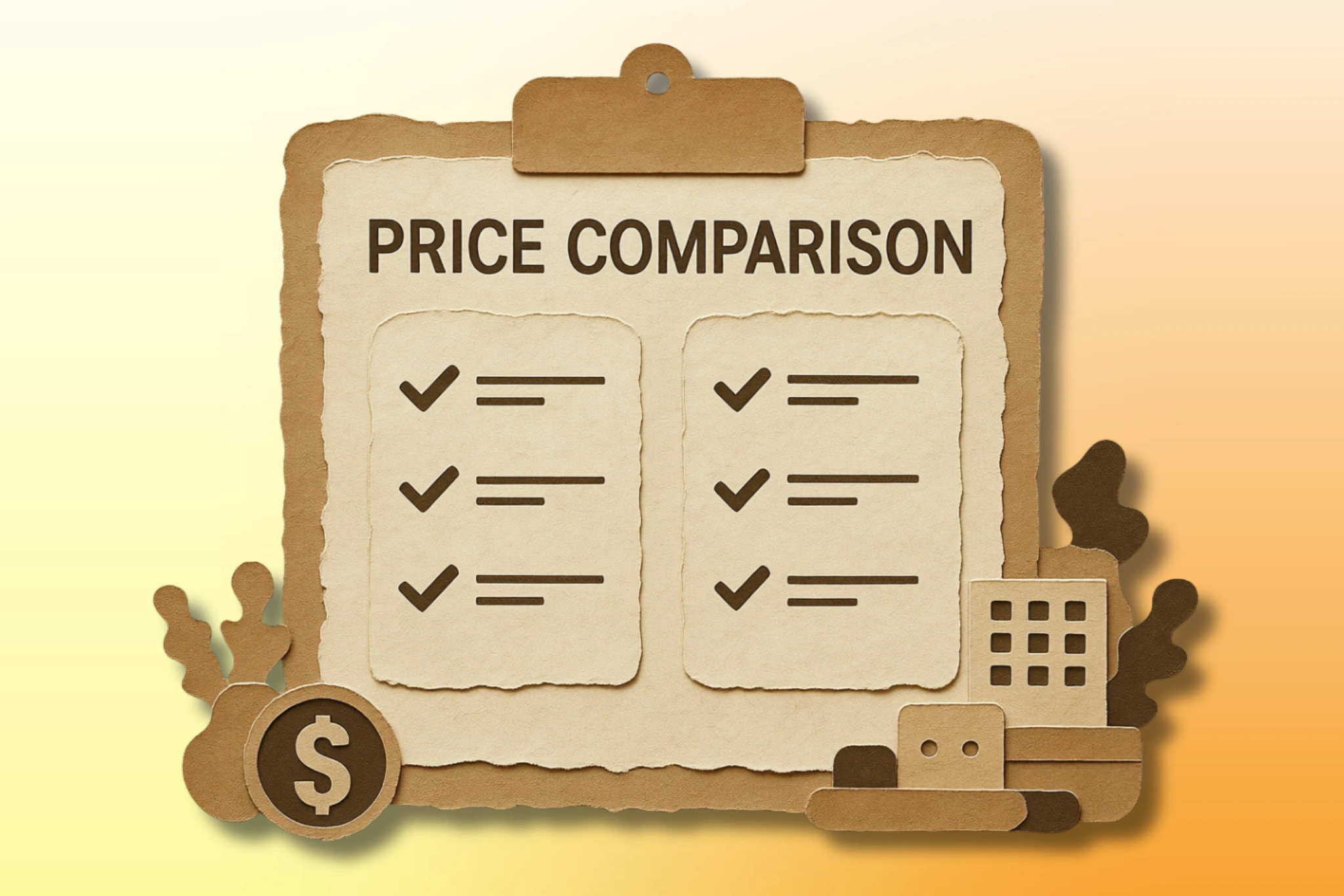
A quote dramatically lower than every other agency you talked to is rarely a bargain — it’s often a sign of inexperience, outsourced work you weren’t told about, or a project that will balloon in cost once “extras” start appearing. Compare quotes on scope and deliverables, not just the bottom-line number.
5. Check Client References and Reviews
Don’t just ask for references — ask former clients specific questions: did the project finish on the original timeline, were there unexpected costs, and would they hire the agency again for a second project. That last question in particular tends to surface the honest answer, since repeat business is the strongest signal an agency delivers.
Fit matters as much as skill here — Clutch’s 2026 research found that understanding a prospective client’s specific business needs and demonstrating the ability to deliver are among the most influential factors when buyers select a service provider.
6. Make Sure They Understand Your Business Goals
The strongest agencies ask about your business goals before talking about technology at all. If a discovery call jumps straight to platforms and page counts without asking what success looks like for your business, that’s a sign you’ll get a technically fine site that doesn’t actually move the metrics you care about.
7. Consider Team Size and Agency Fit
A large agency with an impressive client roster can end up being the wrong fit for a small business, since junior staff often handle day-to-day work while senior talent is spread across bigger accounts. A smaller, specialized agency or an experienced freelancer may deliver more attentive service for a project your size, even without the marquee client list. Match the agency’s typical project size and client profile to your own, not just their overall reputation.
Questions to Ask a Web Development Agency
- Have you built websites similar to mine?
- Who will actually work on my project?
- What platform or technology do you recommend and why?
- What is included in the project cost?
- How do you handle revisions and changes?
- Who owns the website, code, domain, and content?
- What happens after the website launches?
- Can I speak with one or two previous clients?
- What happens if the project goes beyond the original scope?
- What timeline should I realistically expect?
Web Development Agency Checklist
Before signing, make sure you have:
☐ Reviewed relevant portfolio examples
☐ Checked client references and reviews
☐ Confirmed the project scope
☐ Understood the pricing and payment schedule
☐ Clarified ownership of the website and code
☐ Confirmed who will manage the project
☐ Agreed on the timeline and milestones
☐ Defined the revision process
☐ Confirmed post-launch support
☐ Put all important terms in writing
Frequently Asked Questions
What should I look for when choosing a web development agency?
Look for relevant experience, a strong portfolio, a clear development process, transparent pricing, good client references, clear ownership terms, and reliable post-launch support.
How much does it cost to hire a web development agency?
The cost varies depending on the website’s size, functionality, technology, integrations, design requirements, and ongoing support. Compare agencies based on scope and deliverables rather than choosing solely on the lowest price.
What questions should I ask a web development agency?
Ask about their experience, development process, project timeline, pricing, revisions, technology recommendations, ownership of the website and code, communication process, and post-launch support.
Should I choose a web development agency or a freelancer?
It depends on the project’s complexity and your support requirements. A freelancer may be suitable for smaller projects, while an agency can be a better fit for larger websites requiring multiple specialists, ongoing support, or more complex functionality.
How many web development agencies should I compare?
Comparing at least three agencies gives you a better understanding of typical pricing, project scope, timelines, and different approaches before making a decision.
Final Checklist Before Hiring a Web Development Agency
Learning how to choose a web development agency isn’t about finding the cheapest quote or the agency with the most impressive portfolio. It’s about finding a partner that understands your business, communicates clearly, offers transparent pricing, and has a proven process for delivering the type of website you need.
Before you sign, compare at least three agencies, check references, clarify ownership and support, and make sure every important deliverable is included in writing. A few extra days of due diligence can save you months of delays, unexpected costs, and unnecessary rework.