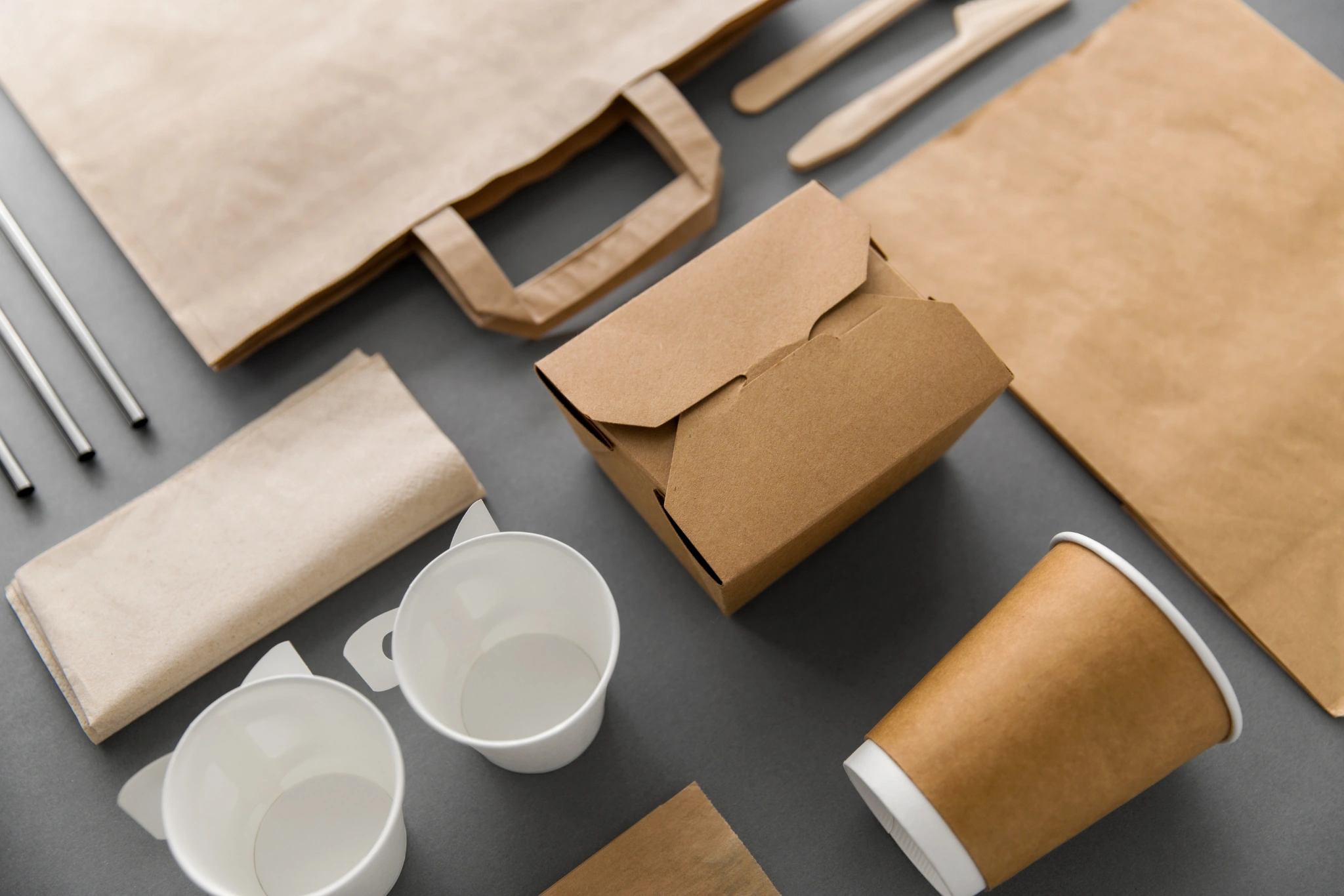
Packaging design trends are changing as brands rethink how products perform on shelves, online stores, and at the unboxing moment. It’s the last thing a customer sees before buying on a shelf, and the first thing they see after buying online. As unboxing content keeps circulating on social platforms, packaging is doing double duty as both retail conversion tool and marketing content — which is reshaping what actually counts as good packaging design right now. This is part of the broader principles covered in our Branding & Design: The Complete Guide.
The most important packaging design trends in 2026 are moving beyond decoration. Brands are focusing on sustainable materials, clearer visual hierarchy, tactile finishes, memorable unboxing experiences, connected packaging, functional e-commerce design, and personalization. The strongest approach isn’t to copy every trend, but to choose the ideas that fit the product, customer, category, and buying environment.
- Sustainable and circular packaging
- Minimalist packaging with a strong focal point
- Tactile and textured packaging
- Unboxing-focused packaging
- Smart and connected packaging
- Functional e-commerce packaging
- Personalized packaging
- Category-specific packaging design
1. Sustainable and Circular Packaging
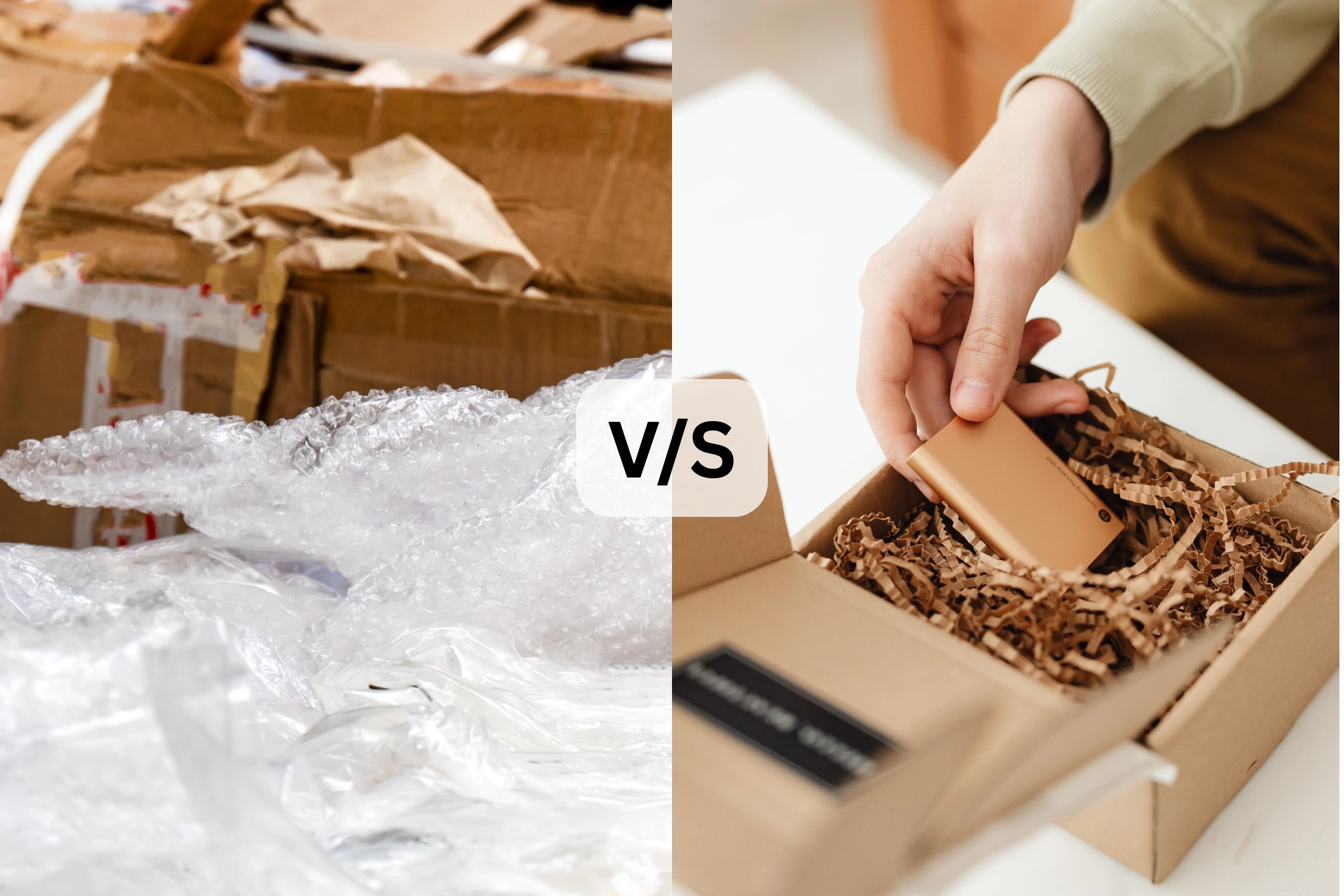
Packaging sustainability is also becoming more closely tied to recyclability standards, regional requirements, and circularity. The Sustainable Packaging Coalition’s 2026 Sustainable Packaging Trends Report highlights how packaging teams are increasingly having to design around evolving definitions of recyclability and sustainability.
2. Minimalist Packaging With a Strong Focal Point
Cluttered packaging with five competing claims on the front panel is losing ground to designs built around one clear focal point — a bold color block, an oversized logo mark, or a single striking illustration. The strategic logic is simple: on a crowded shelf or a small product thumbnail, a design competing with itself for attention loses to one with a single clear signal.
3. Tactile and Textured Packaging
- Embossed or debossed logos and typography
- Matte finishes paired with selective spot-gloss detailing
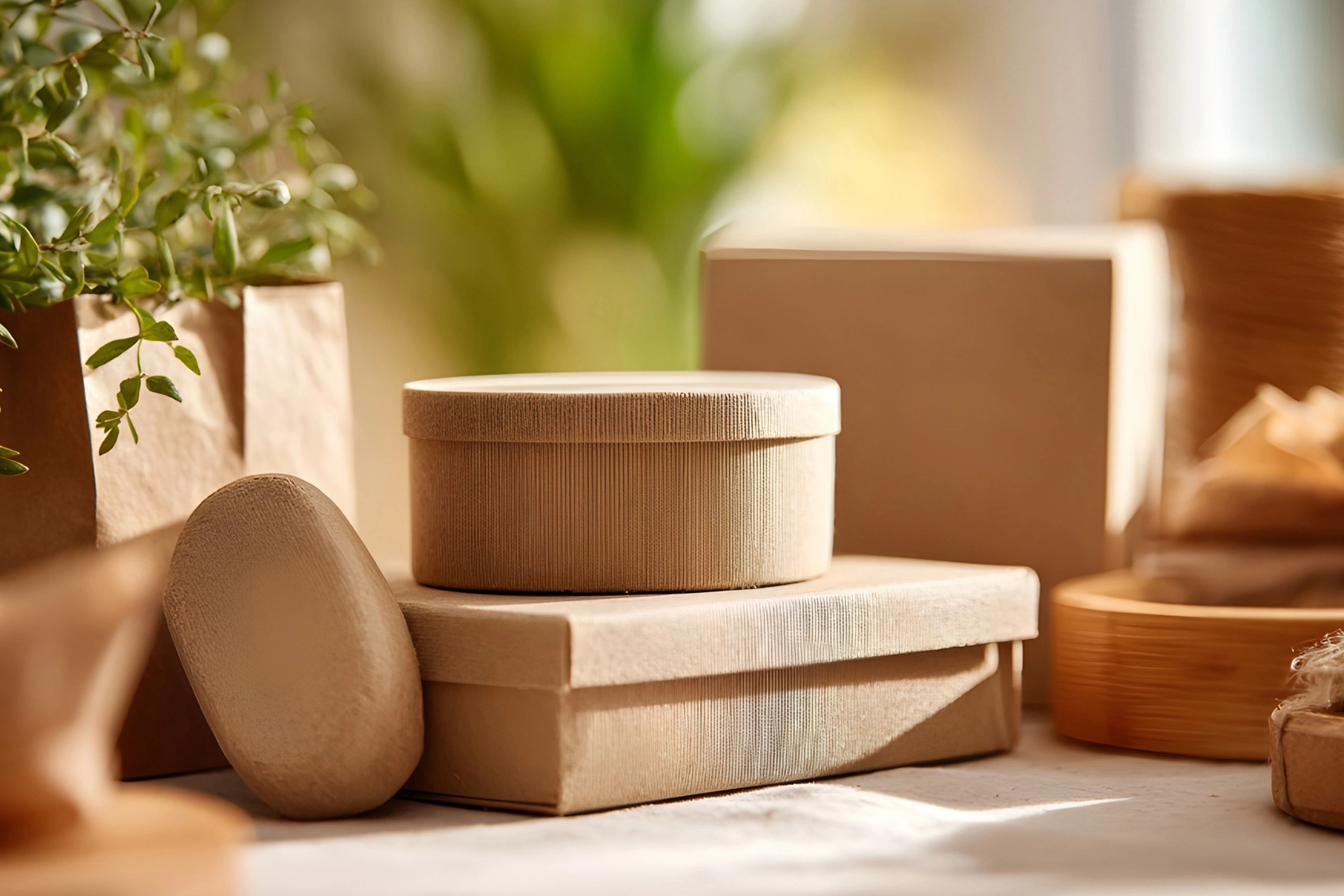
- Uncoated, textured paper stocks for a premium, tactile feel
- Soft-touch coatings that change how a package feels in hand
As more purchasing happens online where customers can’t physically touch a product before buying, brands are using texture strategically in the unboxing moment itself — the first time a customer physically interacts with the product — to create a sense of quality that a screen alone can’t deliver. That first physical impression is doing a lot of the trust-building work that an in-store shelf display or a salesperson would have done in a physical retail setting.
4. Packaging Designed for the Unboxing Experience
Brands selling direct-to-consumer are increasingly designing the interior of the box, not just the exterior — tissue paper, thank-you inserts, and a deliberate reveal sequence, because so much of the unboxing experience now gets filmed and shared. A package that photographs and films well on a phone camera has become a real design requirement, not an afterthought.
5. Smart and Connected Packaging
Packaging is increasingly becoming a gateway to digital experiences. QR codes, NFC tags, and augmented reality can connect a physical package to product tutorials, authentication, sourcing information, loyalty programs, or brand storytelling. The key is to make the digital layer useful rather than adding technology simply for novelty.
6. Functional and E-Commerce-First Packaging
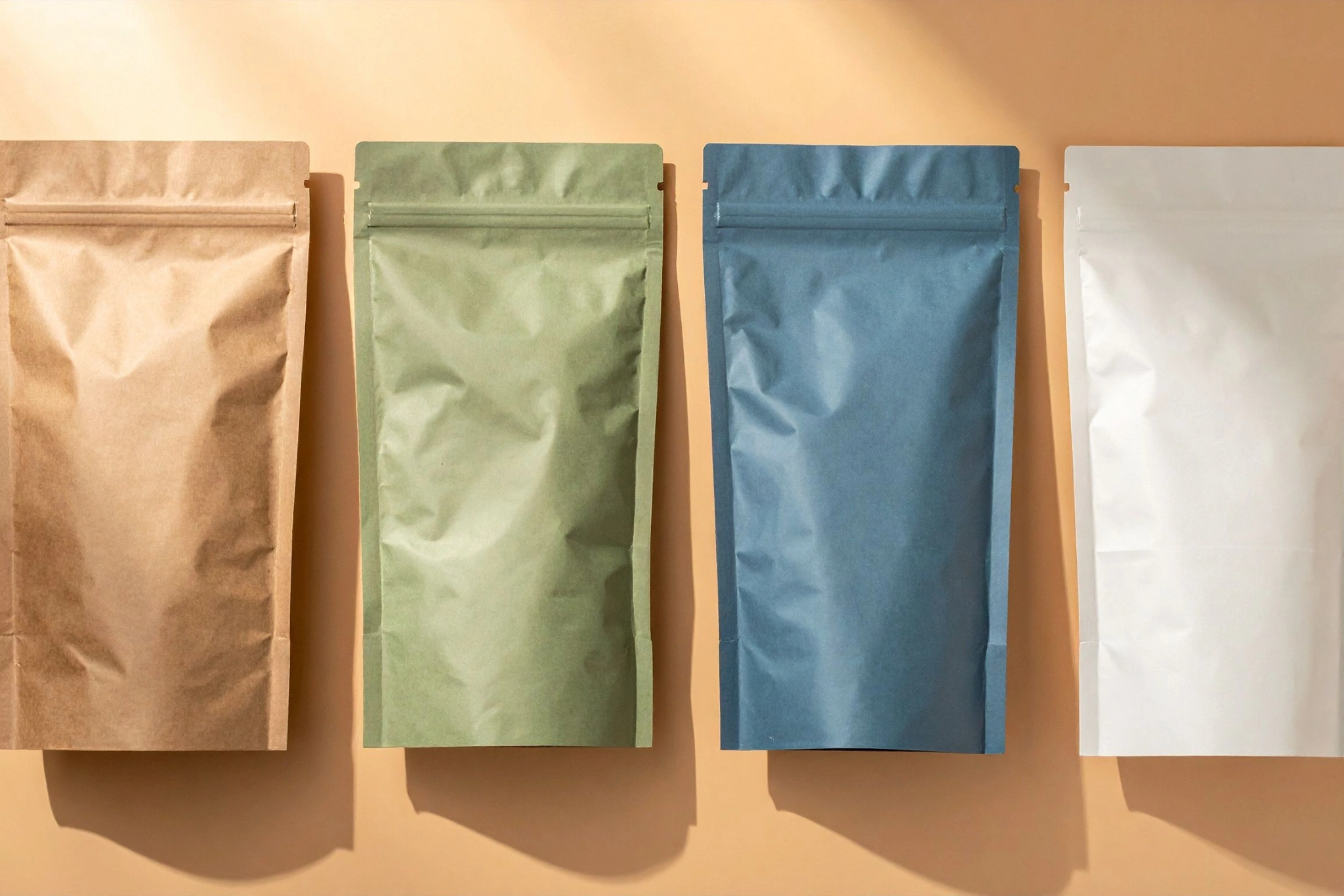
Trend aside, packaging that’s genuinely easier to open, reseal, or store is winning loyalty points that pure aesthetics can’t buy. Easy-open tabs, resealable pouches, and packaging that doubles as useful storage after the product is gone are showing up more often — small functional upgrades that customers notice even when they can’t articulate why they prefer one brand’s packaging over another.
7. Personalized and Flexible Packaging
Personalization is giving packaging a more distinctive role in the customer experience. Instead of using exactly the same design for every customer or occasion, brands can create limited editions, seasonal designs, localized packaging, or small-batch variations that make products feel more relevant and collectible.
Digital printing is making these variations easier to produce without requiring large production runs. Brands can experiment with different designs, messages, colors, or artwork while maintaining a consistent visual identity across the product range.
The key is to make personalization purposeful. A limited-edition package can create urgency, a seasonal design can make a product feel timely, and a personalized message can strengthen the connection between the customer and the brand. When used strategically, flexible packaging design can turn an everyday package into another opportunity for brand storytelling.
8. Packaging Trends Still Depend on the Category
Not every packaging design trend makes sense for every brand. Premium skincare may benefit from minimalist layouts and tactile finishes, while a snack brand competing in a crowded retail aisle may need stronger color contrast and typography. E-commerce brands may prioritize lightweight, protective packaging and unboxing, while luxury brands may invest more heavily in materials and finishes.
Design for the Whole Journey, Not Just the Shelf
The common thread across every current packaging trend is that packaging is being designed for more moments than it used to be — the shelf, the doorstep, the unboxing camera, and the recycling bin. Brands that treat packaging as a single static design problem are falling behind brands that design for that entire journey.
Frequently Asked Questions About Packaging Design Trends
What are the biggest packaging design trends in 2026?
The biggest packaging design trends in 2026 include sustainable materials, minimalist layouts, tactile finishes, connected packaging, personalized designs, functional e-commerce packaging, and more intentional unboxing experiences.
What is sustainable packaging design?
Sustainable packaging design focuses on reducing unnecessary materials and improving the environmental impact of packaging through choices such as recyclable, reusable, recycled, or appropriately sourced materials.
Is minimalist packaging still a trend in 2026?
Yes. Minimalist packaging remains relevant, but current approaches tend to combine clean layouts with stronger typography, distinctive materials, tactile finishes, or warmer visual elements rather than relying on empty space alone.
How does packaging design affect the unboxing experience?
Packaging design can influence how easy a product is to open, how the product is revealed, and how customers perceive the brand. Thoughtful packaging can also make the unboxing experience more memorable and shareable.
Should every brand follow packaging design trends?
No. Packaging trends should support the brand, product, customer, category, and sales channel. A trend that works for luxury skincare may not work for an everyday grocery product.
Conclusion
The best packaging design trends aren’t simply the ones that look good in a trend report. They’re the ones that make a product easier to recognize, understand, use, remember, and buy. In 2026, that means balancing sustainability and functionality with strong visual identity, tactile details, digital experiences, and thoughtful unboxing. Instead of following every new aesthetic, brands should choose packaging design trends that strengthen the customer experience from first impression to final use.