A branding guide is more than a checklist for creating a logo. A strong brand identity comes from a longer chain of decisions — who the brand is for, how it sounds, what makes it different, and how consistently all of that shows up everywhere someone encounters it, from a website and package to an invoice or support email. This guide walks through that full chain, from the first strategic decision down to the systems that keep a growing brand from falling apart.
Identity Starts With Decisions, Not Design
Learning how to build a brand starts with positioning before visuals. Building a brand identity from scratch works best when positioning comes before any visuals — who this is for, what’s genuinely different about it, and why that difference should matter to them. Skip that step and even a well-executed logo design process ends up producing something that looks fine without actually standing for anything specific, which tends to show up later as a brand nobody can quite describe in one sentence.
Once the strategy is clear, brand guidelines and a consistent visual identity are what keep that clarity from evaporating the moment someone besides the founder starts making design decisions. Typography choices shape brand perception more than most people expect too — a typeface can read as trustworthy, playful, or expensive well before anyone reads a single word it’s setting, which is exactly why it deserves more than a five-minute decision at the end of a project.
Voice and Presence Matter as Much as the Logo
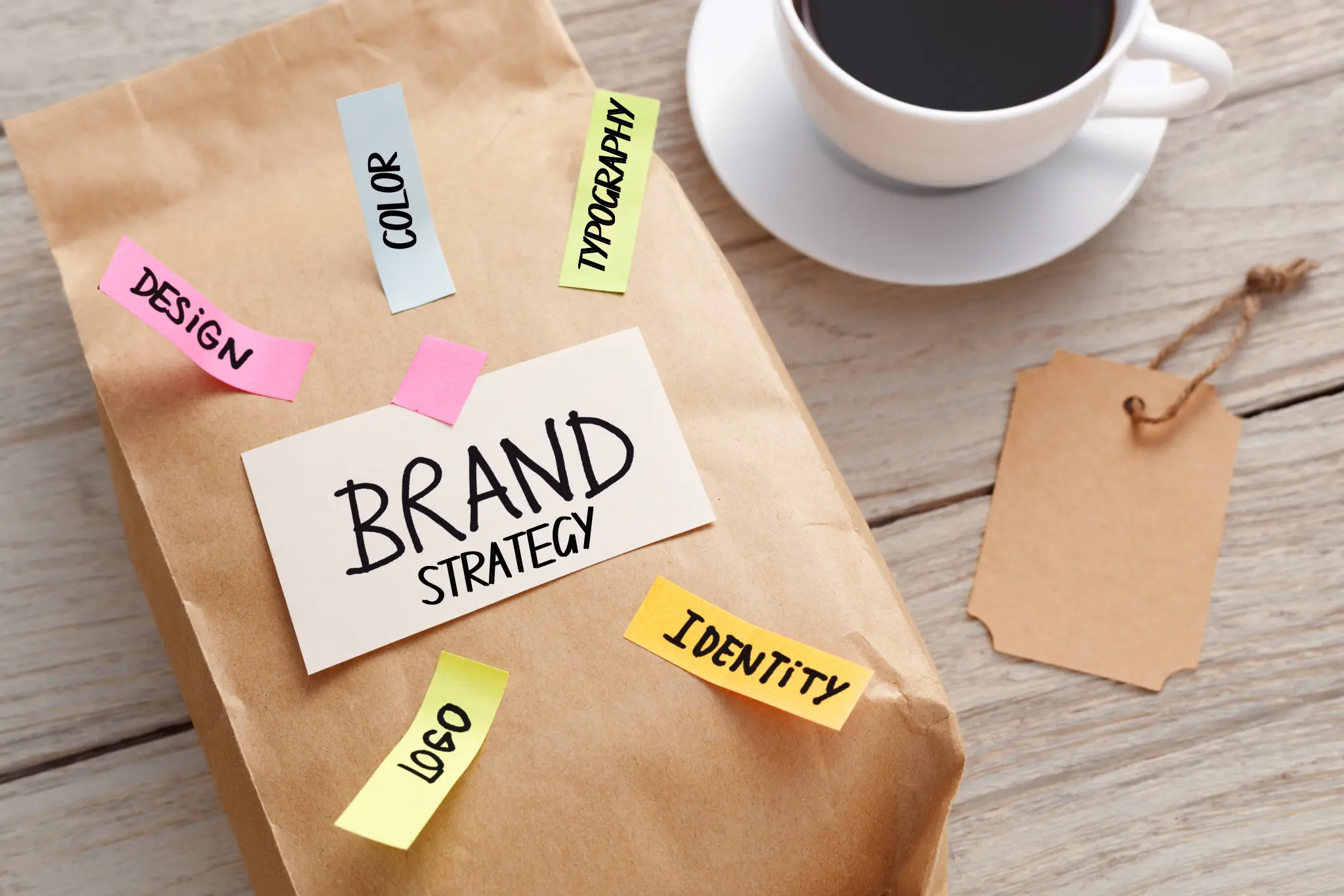
A strong brand design guide should cover more than logos and color palettes. Color psychology in branding gets treated as a shortcut sometimes — pick blue for trust, red for urgency — but context and category matter more than any universal color rule, since the right palette for a fintech brand and a children’s toy brand aren’t decided by the same logic at all. A brand voice and tone guide deserves the same rigor as the visual identity, since inconsistent writing undermines a brand just as fast as an off-brand color choice, and it’s a lot easier to get wrong quietly — nobody notices inconsistent voice the way they’d notice a mismatched logo color.
Packaging design is where a lot of this branding work comes together physically — it’s often the first and last thing a customer actually touches, and it’s increasingly designed with unboxing videos and shelf photography in mind, not just the physical shelf itself, which has genuinely changed what strong packaging design even means over the past few years.
Brands Change — Plan for It
A strong rebranding strategy is rarely about simply getting tired of a logo. The better question is always what changed in the business or the market that the current identity no longer reflects, and answering that honestly tends to produce a much stronger result than a refresh done purely for novelty, since novelty alone rarely survives the next internal debate about budget. Looking at a real rebrand case study is one of the fastest ways to understand what actually separates a successful one from a purely cosmetic update — the difference usually shows up in the reasoning behind it, not the final visuals.
Build a Design System That Scales
A design system guide can help growing brands turn those principles into a repeatable system. As a brand grows past its first few years, a proper design system becomes less of a nice-to-have and more of a necessity — it’s what lets a five-person team’s careful early decisions still hold up once freelancers, new hires, and multiple product lines are all creating brand content at once, often without ever speaking to each other directly.
A well-defined design system helps teams maintain consistency while making it easier to create and scale digital experiences.
Frequently Asked Questions
What Is Branding and Design?
Branding and design work together to shape how people recognize, understand, and experience a business. Branding defines the strategy, personality, positioning, and voice, while design translates those decisions into visual elements such as logos, colors, typography, packaging, websites, and marketing materials.
How Do You Build a Brand From Scratch?
To build a brand from scratch, start with positioning and your target audience, then define your brand identity, voice, visual system, and guidelines. Apply these consistently across your website, social media, packaging, and other customer touchpoints.
What Is a Brand Design System?
A brand design system is a set of reusable visual rules and components that helps a business maintain consistency as it grows. It can include typography, colors, layouts, imagery, logos, UI elements, and guidelines for using them.
When Should a Business Consider Rebranding?
A business should consider rebranding when its positioning, audience, products, market, or overall direction has changed enough that its existing identity no longer represents the business effectively. Rebranding should be based on a strategic need rather than simply wanting a new logo.
Put It Together
A strong brand isn’t built from one great logo or one great campaign. This branding guide shows how the pieces work together — from positioning and visual identity to voice, packaging, rebranding, and design systems. Start with the strategy, build the visual and verbal identity to match it, and put a system in place before growth forces the issue rather than after. The cluster guides linked throughout this page go deeper into each piece individually, with practical steps for putting each one into practice.